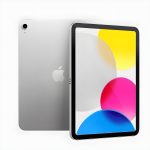
In a world saturated with devices that promise convenience but deliver compromise, the iPad stands apart—not as a mere tablet, but as a dynamic digital companion engineered for those who refuse to settle. It is not defined by its form factor alone, but by the extraordinary breadth of human expression it enables: from sketching masterpieces on a sun-drenched patio to orchestrating complex workflows in a high-stakes studio, from capturing cinematic moments in motion to immersing oneself in rich storytelling across generations. The iPad redefines what a portable computing device can be—versatile without dilution, powerful without bulk, intuitive without limitation.
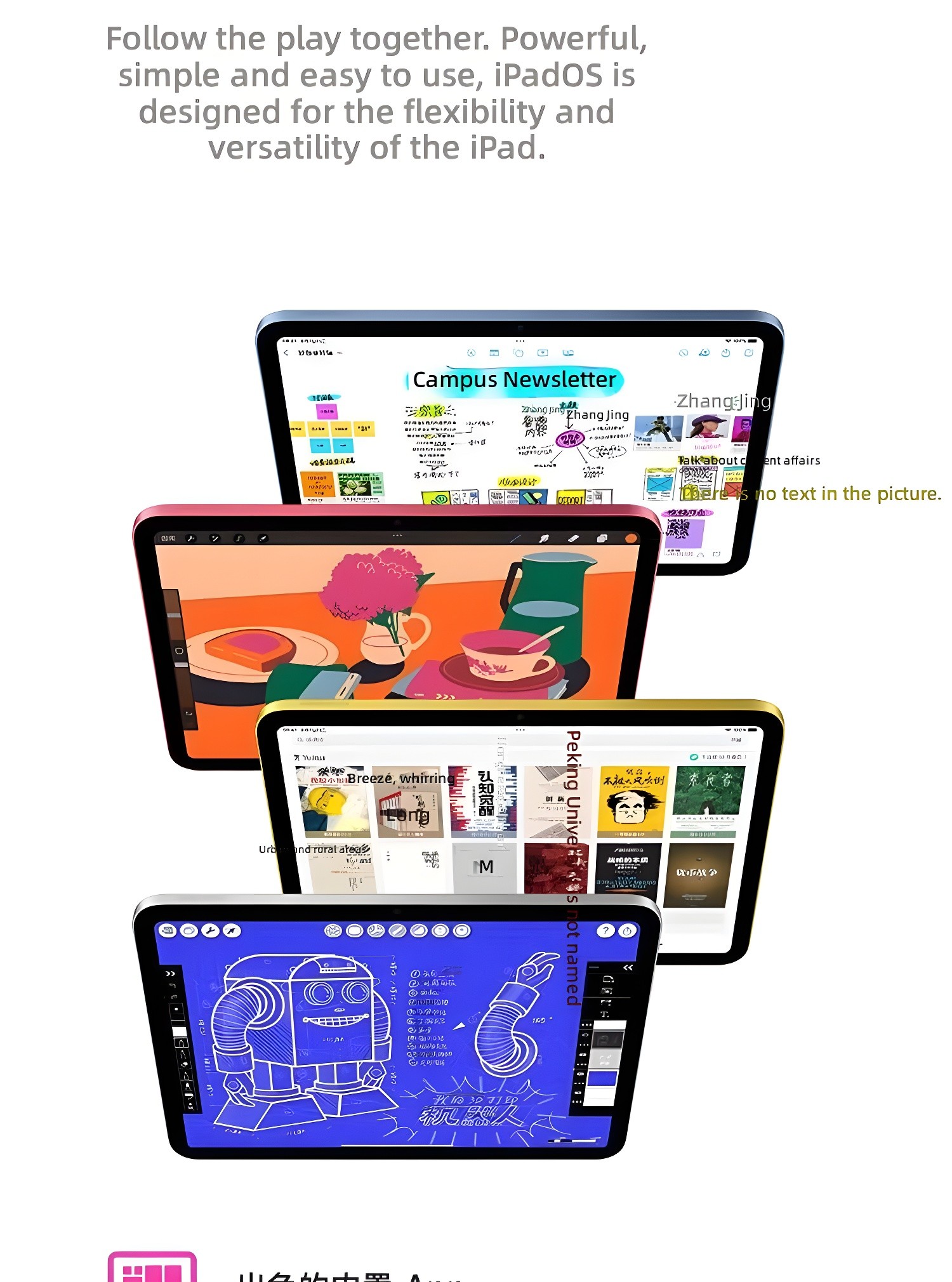
At the heart of this transformation lies the A16 Bionic chip—a marvel of silicon engineering that delivers desktop-class performance in a palm-sized chassis. With its 6-core CPU and 5-core GPU, the A16 doesn’t just handle multitasking; it anticipates it. Whether you’re layering high-resolution photos in professional editing software, rendering 3D models in real time, or streaming 4K video while simultaneously taking notes in a lecture, the system responds with seamless fluidity. Its advanced Neural Engine accelerates machine learning tasks up to 40% faster than previous generations, enabling features like real-time object recognition, intelligent photo enhancement, and predictive text input that feels less like typing and more like thought translation.
The visual experience is equally transformative. The Liquid Retina display—available in both 11-inch and 12.9-inch configurations—sets a new benchmark for mobile clarity and color fidelity. With P3 wide color gamut, True Tone technology that adapts to ambient lighting, and industry-leading brightness levels, every pixel serves a purpose: whether you’re reviewing architectural blueprints under fluorescent lights or watching a sunset unfold in a documentary, the screen renders truth, not approximation. The 12.9-inch model elevates this further with Liquid Retina XDR, delivering peak brightness exceeding 1,600 nits and contrast ratios rivaling professional reference monitors—making it an indispensable tool for creators who demand accuracy at every stage of production.
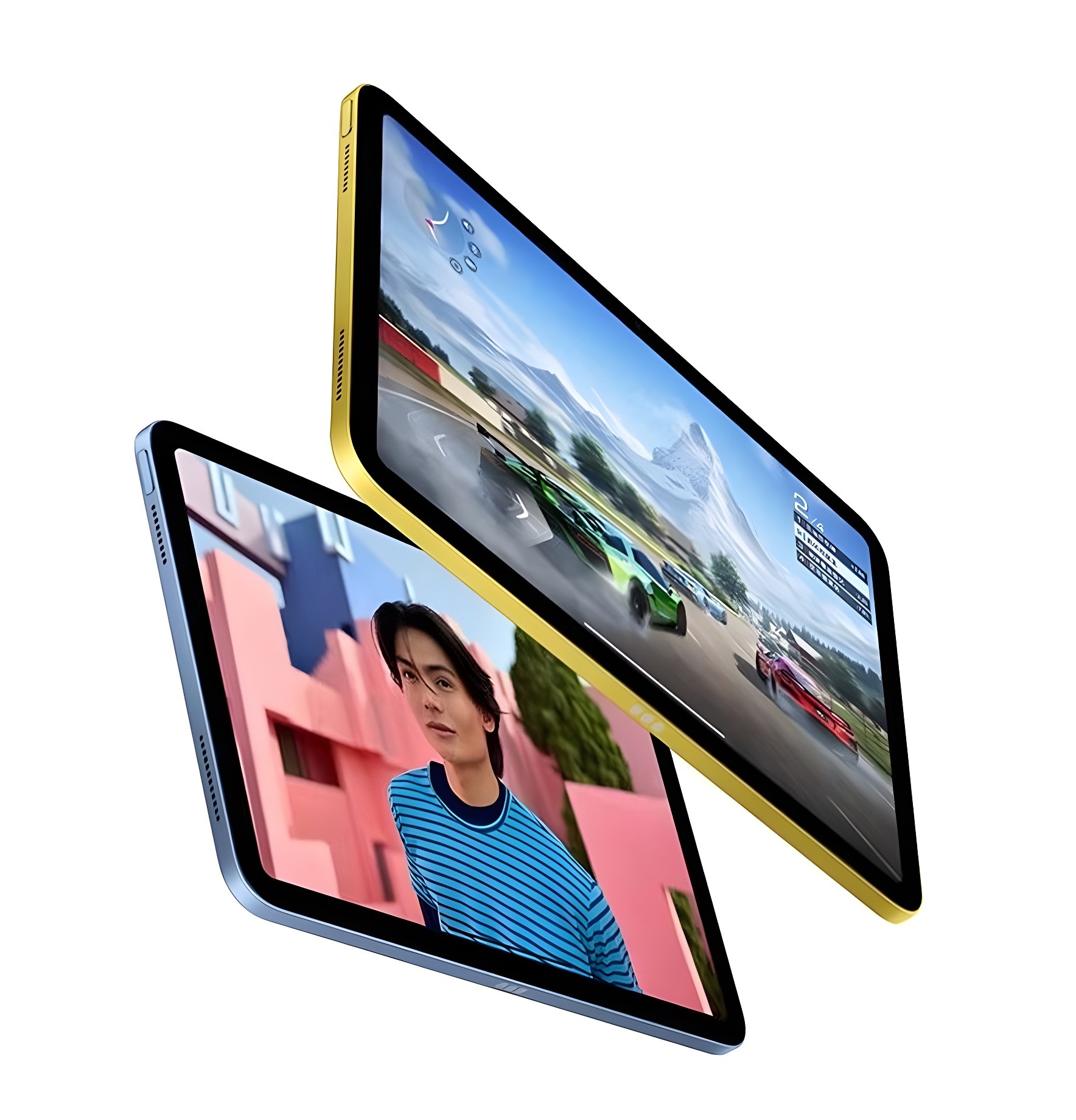
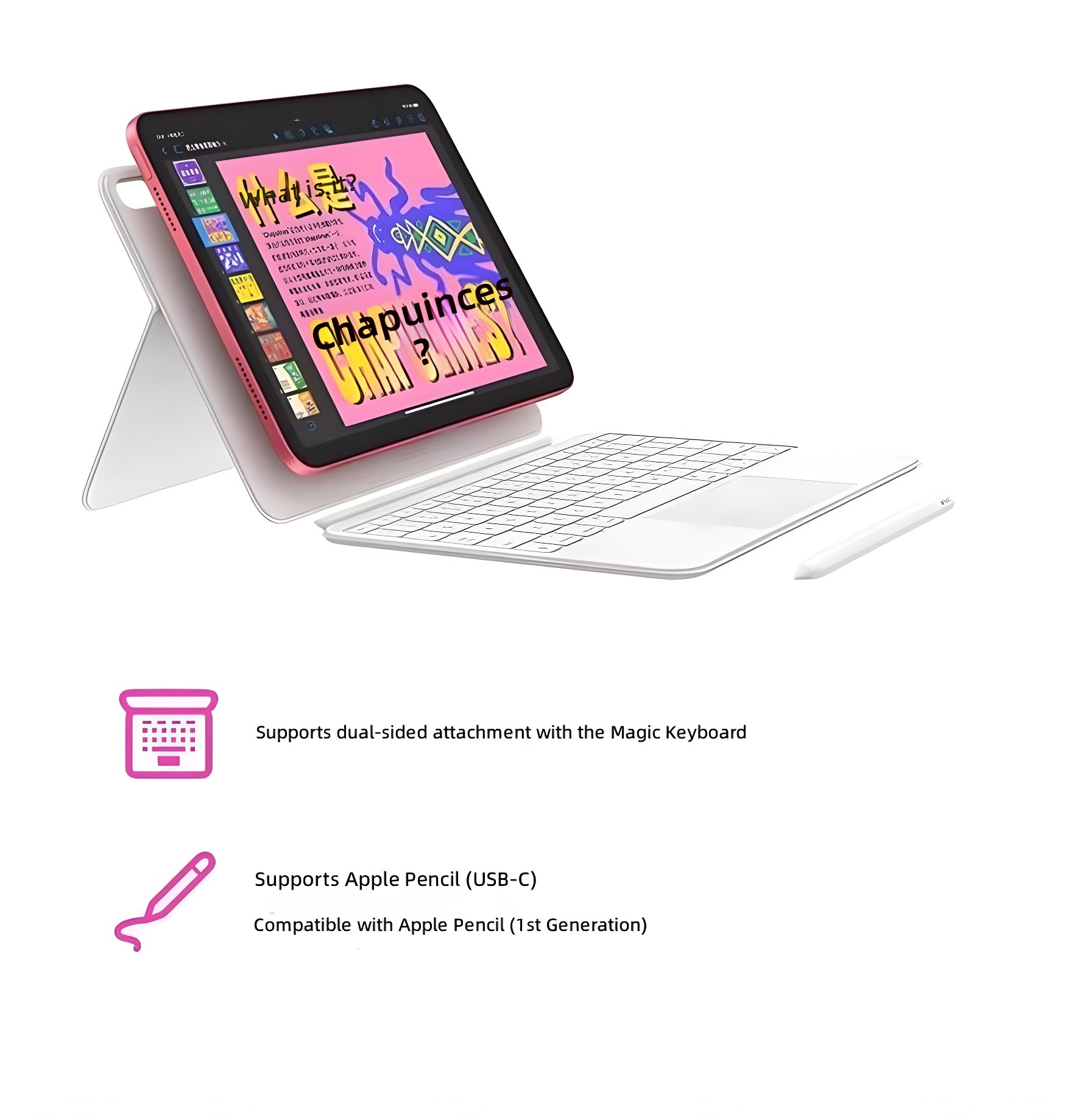
But hardware alone does not define excellence. It is the synergy between silicon, software, and accessories that unlocks the iPad’s true potential. Apple Pencil (1st and 2nd generation) transforms the touchscreen into a responsive canvas, responding to pressure, tilt, and palm rejection with near-zero latency. Artists report that drawing with Apple Pencil feels indistinguishable from using traditional tools—ink flows, charcoal smudges, and brush strokes behave with physical authenticity. Writers benefit from the same precision: handwritten notes convert instantly to typed text, diagrams auto-align, and markup tools let you annotate PDFs with surgical accuracy. The Magic Keyboard and Magic Keyboard Folio elevate productivity further, offering full-travel keys, a trackpad with multi-touch gestures, and a built-in stand—all while preserving the iPad’s elegant profile.
The camera system, often overlooked in tablets, has been reimagined as a serious creative instrument. The 12MP Center Stage front camera uses advanced algorithms to keep you centered during video calls—even as you move around the room—ensuring your presence remains focal, not fragmented. On the rear, the 12MP Wide camera captures crisp, detailed images with excellent low-light performance, while the ultra-wide lens opens new compositional possibilities. When paired with iPadOS’s native camera app enhancements—like Night mode, Deep Fusion, and Smart HDR—the iPad becomes a legitimate content creation hub, capable of producing broadcast-quality footage directly from your lap.
iPadOS itself represents a paradigm shift in mobile operating systems. Designed from the ground up for touch-first interaction yet deeply optimized for keyboard and stylus input, it blurs the line between tablet and laptop. Split View and Slide Over allow you to run three apps simultaneously, arranging them in custom layouts that adapt to your workflow—not the other way around. The App Library intelligently organizes thousands of apps into thematic folders, while Focus modes eliminate digital noise by silencing distractions based on context: work, study, creativity, or rest. And with universal clipboard, drag-and-drop across apps, and file system integration rivaling desktop OSes, iPadOS empowers users to build sophisticated, end-to-end workflows without ever leaving the device.
What truly distinguishes the iPad is its ecosystem compatibility. Apps aren’t merely ported—they’re reimagined. Procreate, Affinity Designer, LumaFusion, and Final Cut Rush leverage the iPad’s hardware to deliver professional-grade capabilities previously confined to workstations. Meanwhile, Apple’s own suite—Pages, Numbers, Keynote, Notes, and GarageBand—offers deep integration with iCloud, allowing projects to flow effortlessly between iPhone, Mac, and iPad. The App Store hosts over two million iPad-optimized applications, many developed specifically to harness the device’s unique capabilities: gesture-based navigation, Apple Pencil responsiveness, and multi-window orchestration.
The iPad Air (M1) and iPad (A14/A16) models offer tiered entry points without sacrificing core innovation. The iPad Air, powered by the M1 chip—the same silicon found in MacBook Air—delivers unmatched performance-per-watt, making it ideal for developers, designers, and students requiring sustained computational power. Its sleek aluminum unibody design, support for both Apple Pencil generations, and compatibility with Magic Keyboard ensure it scales from casual browsing to intensive creative sessions. Meanwhile, the standard iPad, now equipped with the A16 chip, brings flagship-level performance to a broader audience, proving that cutting-edge technology need not come with a premium price tag.
Connectivity is no afterthought. 5G capability across cellular models ensures uninterrupted access to cloud resources, real-time collaboration tools, and high-bandwidth media streams—even in remote locations. Wi-Fi 6E support provides blazing-fast local network speeds, critical for transferring large files or streaming uncompressed video to external displays. And with Bluetooth 5.3, pairing peripherals like headphones, MIDI controllers, or external storage devices is instantaneous and reliable.
Battery life remains one of the iPad’s most underrated strengths. All models deliver up to 10 hours of continuous use under typical conditions—enough to power through an entire workday, a cross-country flight, or a weekend retreat without reaching for a charger. More importantly, the battery management system intelligently optimizes power consumption based on usage patterns, extending longevity and maintaining peak performance over years of daily use.
The iPad transcends categorization. It is not just a tablet, nor just a laptop replacement—it is a convergence point where mobility meets mastery. Students use it to annotate textbooks, record lectures, and collaborate on group projects in real time. Professionals deploy it for client presentations, field inspections, and on-the-go data analysis. Artists sketch, paint, animate, and compose symphonies within its interface. Educators transform classrooms with interactive lessons and instant feedback loops. Even musicians rely on its low-latency audio engine and support for USB-C audio interfaces to produce studio-quality tracks anywhere inspiration strikes.
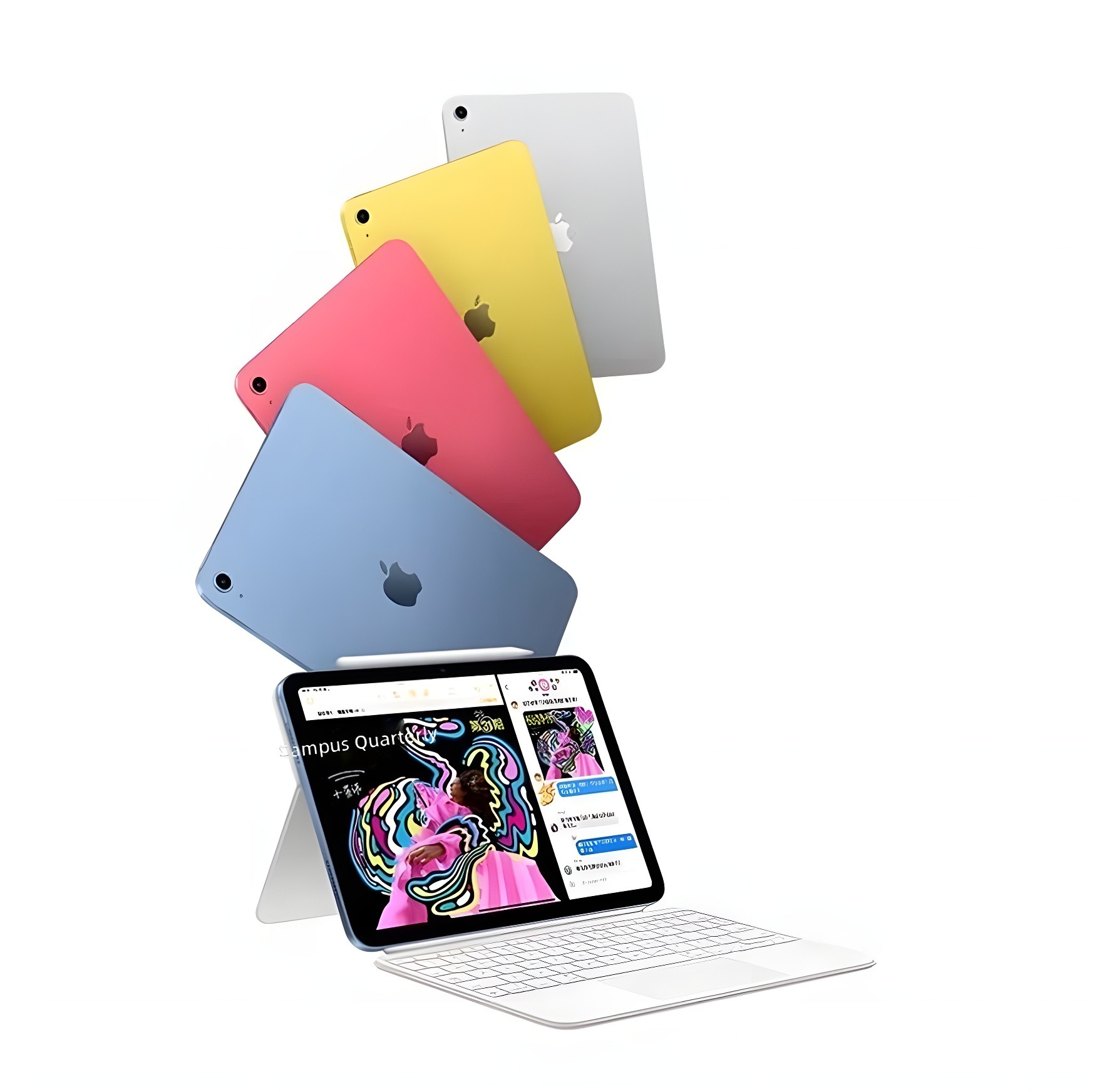
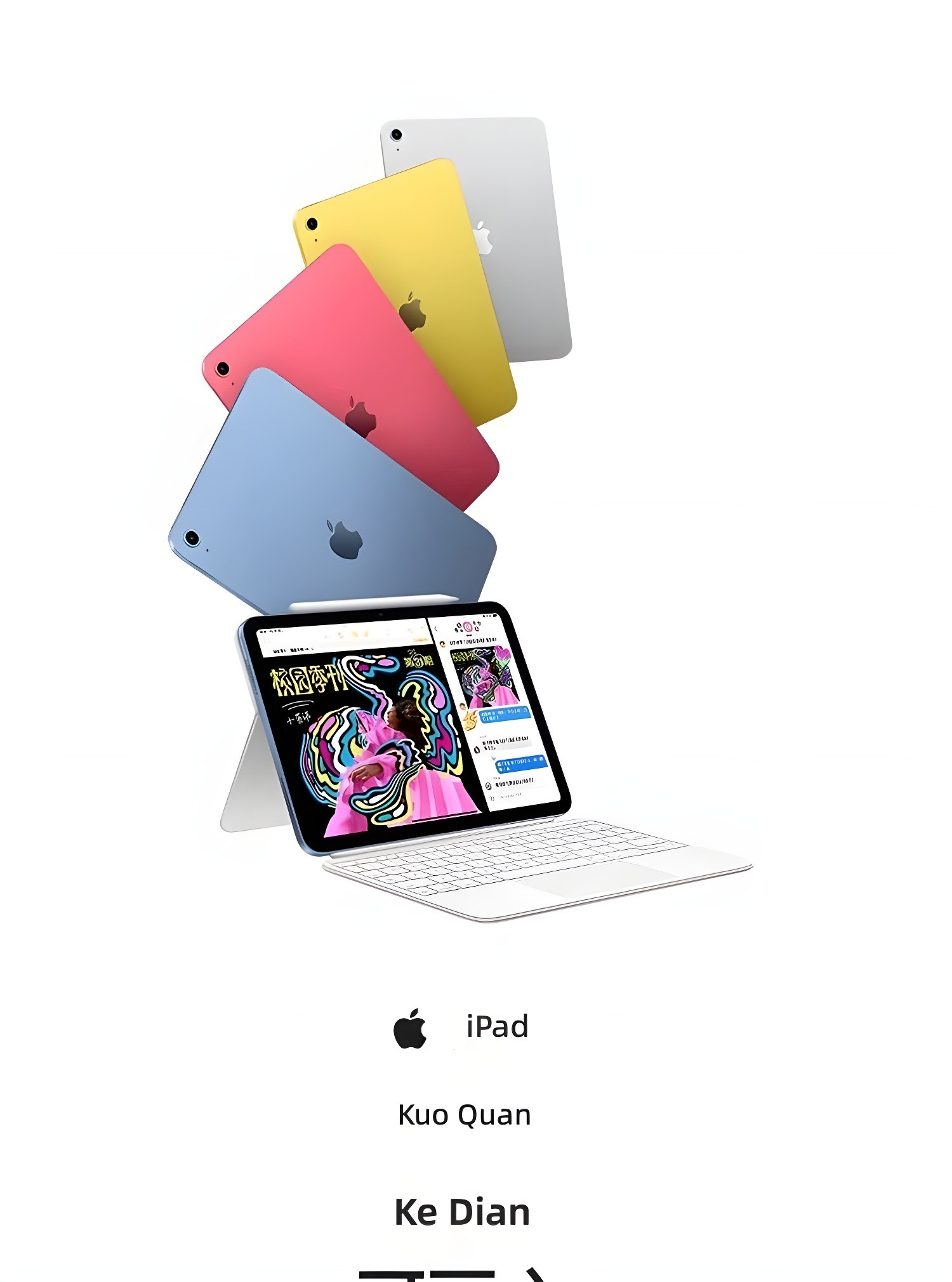
Its design philosophy reflects this universality: minimalist yet robust, lightweight yet durable. The all-aluminum enclosure resists scratches and dents, while the sealed construction protects against everyday spills and dust. The absence of physical buttons (except the top button) enhances the immersive experience, letting the display dominate your attention. And with four vibrant color options—deep space gray, starlight, pink, and purple—the iPad becomes a personal statement, not a generic appliance.
When you choose an iPad, you’re not selecting a device—you’re adopting a platform for growth. It evolves with you: as your skills deepen, as your projects expand, as your definition of “possible” shifts. New iPadOS updates introduce features like Stage Manager for advanced window management, enhanced Scribble for natural handwriting conversion, and improved accessibility tools that empower users of all abilities. Developers continually push boundaries, releasing apps that leverage LiDAR scanning, spatial audio, and ARKit to create experiences once confined to science fiction.
This is not hyperbole. It is observable reality: in studios, classrooms, boardrooms, and living rooms around the world, the iPad is being used to solve problems, spark ideas, and connect people in ways previously unimaginable. Its impact lies not in specs alone, but in the confidence it instills—the certainty that whatever challenge arises, the tools to meet it are already within reach.
The iPad invites you to rethink what you believe a mobile device can achieve. It challenges assumptions about portability versus power, simplicity versus sophistication, consumption versus creation. In an era where attention is fragmented and tools are increasingly specialized, the iPad offers unity: one device that adapts to your mind, your hands, your vision. It doesn’t ask you to conform to its limitations; instead, it expands your capacity to act, to imagine, to build. This is not incremental improvement. This is a fundamental recalibration of digital potential—delivered in a form so elegantly refined, it disappears into the background, leaving only your creativity, your focus, your purpose in sharp relief.
Here, at the intersection of engineering excellence and human-centered design, the iPad doesn’t just keep pace with the future—it helps shape it.
More Supplier Information
For detailed supplier information about this product, please visit:
https://www.ericbuy.com/product/detail/taobao/911718710197/detail.html